- English
- Español
- Português
- русский
- Français
- 日本語
- Deutsch
- tiếng Việt
- Italiano
- Nederlands
- ภาษาไทย
- Polski
- 한국어
- Svenska
- magyar
- Malay
- বাংলা ভাষার
- Dansk
- Suomi
- हिन्दी
- Pilipino
- Türkçe
- Gaeilge
- العربية
- Indonesia
- Norsk
- تمل
- český
- ελληνικά
- український
- Javanese
- فارسی
- தமிழ்
- తెలుగు
- नेपाली
- Burmese
- български
- ລາວ
- Latine
- Қазақша
- Euskal
- Azərbaycan
- Slovenský jazyk
- Македонски
- Lietuvos
- Eesti Keel
- Română
- Slovenski

How Can an Ashtray in a Car Improve Cleanliness and Driving Comfort?
2025-12-10
An ashtray in a car is a compact, flame-retardant, portable container designed to safely collect cigarette ashes and extinguish cigarette ends while driving. Although small in size, it significantly enhances vehicle cleanliness, helps maintain air freshness, and prevents accidental burns or fire hazards inside the cabin. As more drivers seek cleaner in-car environments and better hygiene, ashtrays for cars have evolved from simple metal cups to multifunctional, odor-blocking, LED-illuminated, detachable devices.
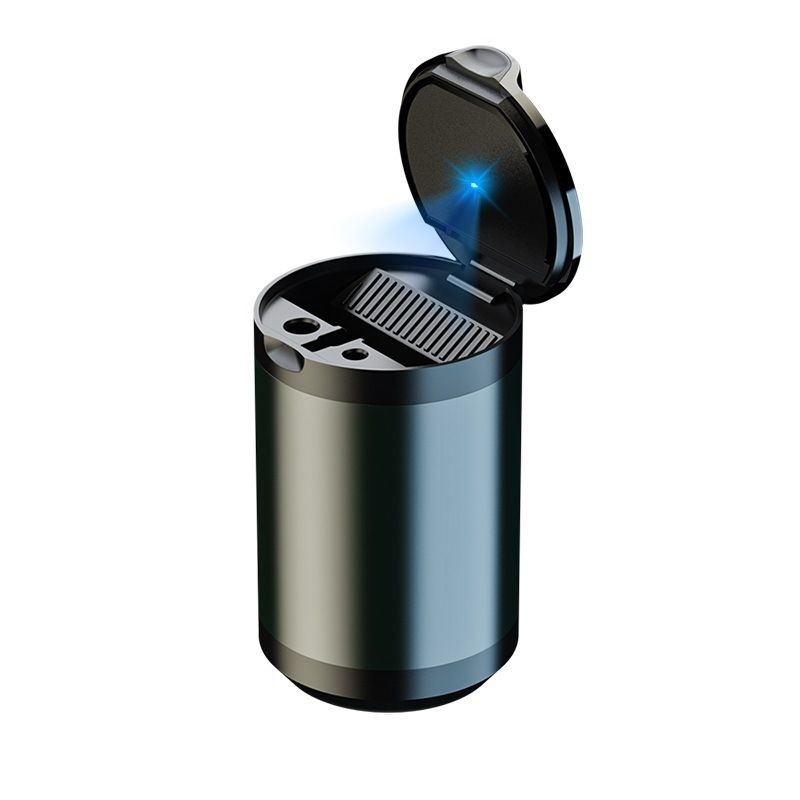
Below is a structured specification overview to provide clarity on the technical attributes commonly found in advanced automotive ashtray models, including those designed by manufacturers specializing in high-quality interior accessories.
Product Specifications Overview
| Specification Category | Typical Parameters Found in High-Quality Car Ashtrays |
|---|---|
| Materials | Flame-retardant ABS shell, stainless-steel inner chamber, silicone sealing ring |
| Size & Capacity | Height: 90–120 mm; Diameter: 65–85 mm; Volume: 200–350 ml |
| Power Features | Optional LED illumination (0.1–0.3W), button-triggered or lid-activated |
| Odor Control | Dual-seal lid, smoke-blocking funnel entrance, activated carbon layer (select models) |
| Safety Features | Rapid quenching plate, high-temperature resistance up to 300°C |
| Mounting Options | Cup-holder fit, door-slot fit, armrest-box fit, dashboard stand |
| Cleaning Convenience | Removable inner canister, washable components, anti-corrosion finish |
| Design Extras | Soft-close lid, wide-mouth opening, blue or white LED indicator |
How Does an Ashtray in a Car Enhance Driving Hygiene and Reduce Residue?
Cleanliness inside a vehicle is often the result of small habits accumulated over time. Cigarette ashes tend to scatter easily, embedding into fabric fibers, console gaps, and carpet textures. Without a controlled container, every movement—air conditioning airflow, window drafts, steering adjustments—can spread ashes across surfaces.
How Ash Control Mechanisms Work
Modern ashtrays use three engineered design mechanisms to contain residue:
-
Deep Chamber Geometry
A deeper vertical structure reduces the chance of ashes floating back upward. -
Metal Quenching Plate
The extinguishing plate rapidly cools embers, preventing lingering smoke. -
Smoke-Blocking Lid
A sealed lid traps odor and locks particles inside.
These components create a micro-environment that keeps ashes contained and smoke minimized, making the car interior safer and noticeably fresher.
How Airflow Management Contributes to Cleanliness
High-quality units incorporate a funnel-shaped opening that slows down outgoing drafts. When a driver taps the cigarette, the angles guide ashes downward rather than allowing them to escape sideways.
A well-engineered automotive ashtray dramatically reduces airborne particulates. This supports better cabin hygiene for both drivers and passengers by lowering surface residue, lowering odor retention on car seats, and preventing the annoyance of accidental ash scatter.
How Does an Automotive Ashtray Improve User Convenience and Drive Safety?
Convenience and safety are two pillars of driving satisfaction. Small accessories, when designed correctly, can influence both. Car ashtrays are engineered with features that minimize distraction and streamline user interaction.
How LED Illumination Enhances Night Use
Nighttime driving makes visibility a challenge. Many drivers struggle to locate a safe ash disposal area in the dark, which leads to:
-
Hands leaving the steering wheel too long
-
Ashes falling unpredictably
-
Increased risk of burns
Soft LED illumination solves this problem by offering a low-glare light source directed only at the opening. This prevents distraction while guiding the hand precisely.
How One-Hand Operation Improves Driving Focus
Premium ashtray models use spring-assisted lids or push-button lids that require minimal effort. The ergonomic design allows:
-
Quick tapping of ashes
-
Immediate extinguishing of cigarette ends
-
Minimal hand movement
Such designs allow drivers to maintain near-constant control of the steering wheel.
How Heat-Resistant Construction Prevents Safety Hazards
Flame-retardant materials ensure that even when cigarettes are not fully extinguished, the internal temperature remains controlled. Stainless steel inner barrels resist warping, and insulated outer walls prevent heat from transferring to car surfaces.
Together, these elements minimize the likelihood of:
-
Accidental fires
-
Melting of interior components
-
Burns upon accidental hand contact
Through mechanical design and safe materials, the ashtray becomes a reliable tool aligned with modern driving safety standards.
How to Choose the Right Car Ashtray for Different Vehicle Types and User Needs?
Not all vehicles or drivers require the same style of ashtray. The wide diversity of models in the market reflects variations in seating layout, space availability, airflow patterns, and personal preferences.
How Vehicle Size and Layout Influence Ashtray Choice
Different vehicles have different internal constraints:
-
Sedans benefit from cup-holder models that integrate seamlessly.
-
SUVs often prefer larger-capacity units for long drives.
-
Trucks need shock-resistant models with deeper chambers due to cabin vibration.
-
RVs benefit from multifunctional units with enhanced odor control.
Selecting based on vehicle structure ensures stable placement and optimal accessibility.
How Smoking Habits Shape the Ideal Design
Drivers with frequent use may prefer:
-
Bigger capacity
-
A more robust sealing system
-
Detachable stainless-steel liner
Occasional users may prefer:
-
Compact models
-
Minimalistic lids
-
Non-illuminated, simple units
Knowing usage frequency prevents overbuying or selecting features that won’t be used.
How Air Circulation Affects Odor Control Performance
Vehicles with strong ventilation may not require carbon-filter lids, while older vehicles or those with limited airflow benefit greatly from enhanced odor-blocking features.
A well-planned selection considers:
-
Vent placement
-
Window habits
-
Recirculation settings
Through these considerations, the right ashtray becomes a personalized fit rather than a generic purchase.
How Will Future Trends Shape the Evolution of Car Ashtrays?
Although small, the automotive ashtray is experiencing steady innovation. As vehicle interiors shift toward higher comfort, sustainability, and personalization, the evolution of this accessory follows the same direction.
How Material Innovation Will Change Durability
Future models will likely incorporate:
-
High-temperature ceramics
-
Nanocoated metal alloys
-
Recyclable composite plastics
These materials will increase longevity, reduce discoloration, and improve heat management.
How Smart Features Will Enter the Market
Innovations may include:
-
Air-purifying micro-filters integrated into the lid
-
Smoke-detection sensors that auto-activate LED lighting
-
Self-cleaning liners using non-stick coatings
-
USB-powered ventilation modules
Such technology aims to elevate the ashtray from a passive container into an active hygiene tool.
How Design Aesthetics Will Align With Modern Car Interiors
As automotive interiors trend toward minimalist and luxurious styling, ashtray designs will follow:
-
Matte finishes
-
Hidden hinges
-
Ambient lighting integration
-
Color palettes matching dashboard trims
Functionality and style will merge more seamlessly than before.
Common FAQs
Q1: How should an ashtray in a car be cleaned to maintain hygiene?
A: The ideal cleaning method begins with cooling the ashes completely before removal. The inner canister should be detached and washed with warm water mixed with mild detergent. Stainless-steel liners resist corrosion, allowing scrubbing without damage. After cleaning, fully dry the components before reassembling to prevent odor buildup. Regular cleaning once every few days ensures optimal performance and longevity.
Q2: How can an in-car ashtray reduce lingering smoke and odors inside the vehicle?
A: Odor reduction relies on the combination of a sealed lid, smoke-funnel geometry, and sometimes an additional carbon layer. When the cigarette is pressed against the quenching plate, smoke output is immediately minimized. The sealed lid then traps residual fumes. This prevents the smoke molecules from dispersing into fabric upholstery or cabin air, significantly reducing long-term odor retention.
An ashtray in a car plays a significant role in supporting cleanliness, promoting safe driving, and offering convenience for those who smoke during travel. Through the examination of design elements, functional mechanisms, user selection strategies, and upcoming innovations, it becomes clear that this small accessory contributes far more to the driving experience than many initially assume.
Manufacturers such as Yuehang continue to refine material quality, safety engineering, odor-control systems, and ergonomic usability, ensuring that the latest automotive ashtrays meet modern expectations for hygiene and comfort. For vehicle owners seeking reliable solutions for maintaining a cleaner interior, exploring well-designed models is a valuable step.
If additional product information, customization options, or bulk purchasing support is required, contact us for professional assistance and detailed guidance.